Best Seasons for Concrete Leveling
Concrete levelings are most effectively performed during specific seasonal conditions to ensure durability and proper adhesion. The optimal time typically depends on weather patterns, temperature, and moisture levels. Proper timing can extend the lifespan of the leveling work and prevent future issues such as cracking or shifting.
Ideal for concrete levelings due to moderate temperatures and higher moisture levels, which help the material set properly.
Suitable when temperatures are warm but not excessively hot, reducing the risk of rapid drying and cracking.
Cold temperatures and freezing conditions hinder proper curing and can cause additional damage to freshly leveled concrete.
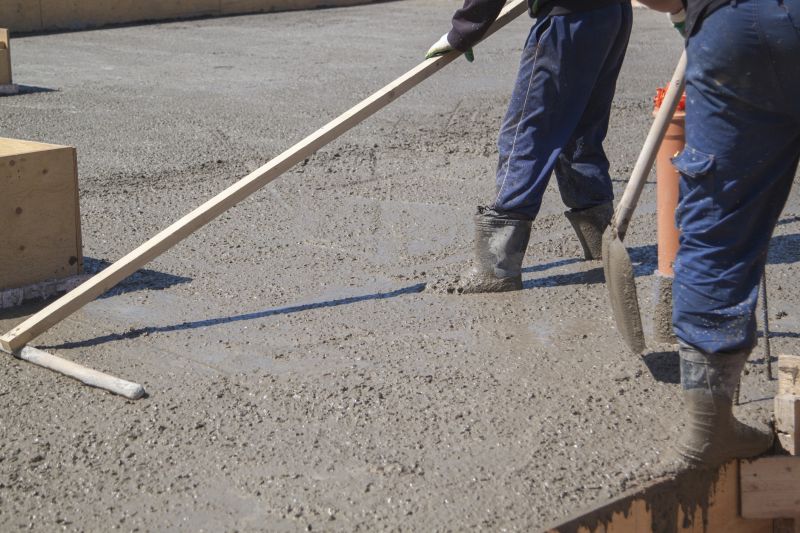
Spring provides optimal moisture and moderate temperatures for effective leveling.
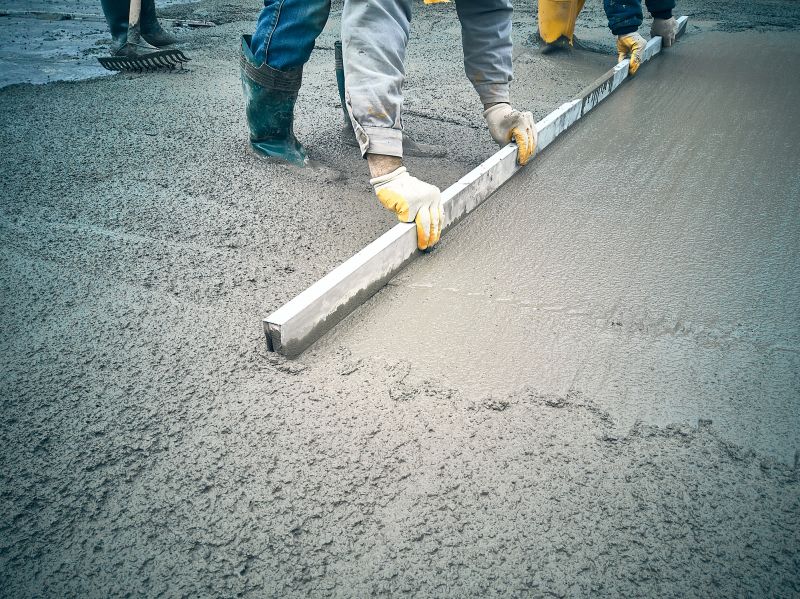
Warm conditions help in proper curing, but extreme heat should be avoided.
Cooler temperatures allow for gradual curing, reducing stress on the concrete.
Ways to make Concrete Levelings work in tight or awkward layouts.
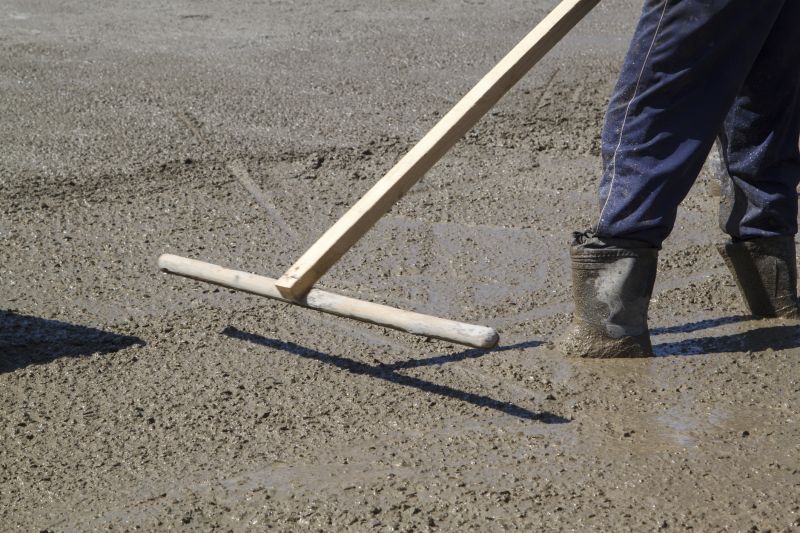
Popular materials for Concrete Levelings and why they hold up over time.
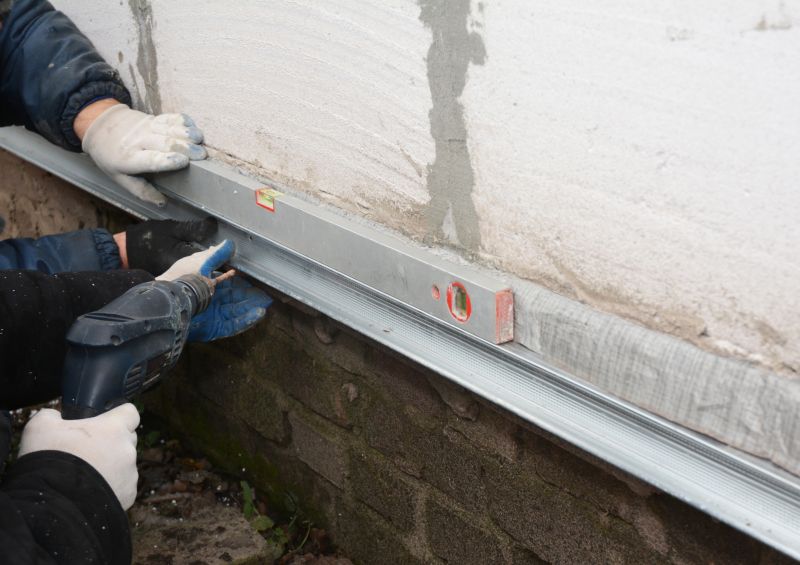
Simple add-ons that improve Concrete Levelings without blowing the budget.
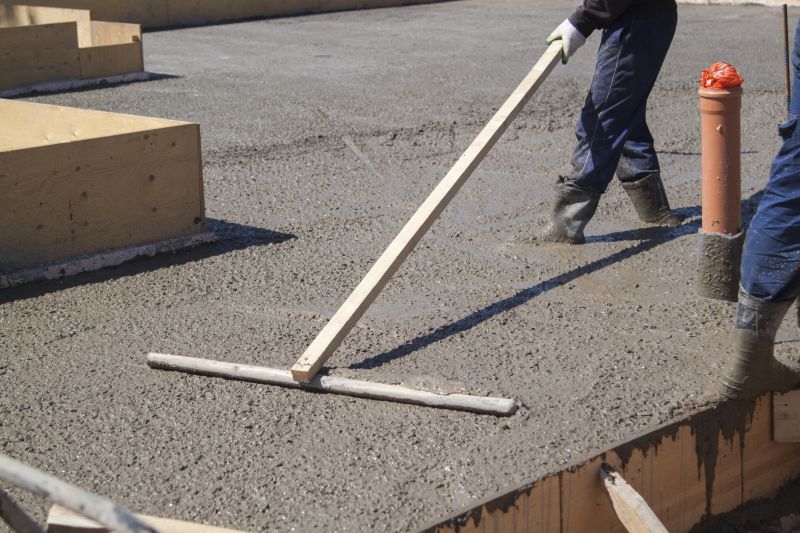
High-end options that actually feel worth it for Concrete Levelings.
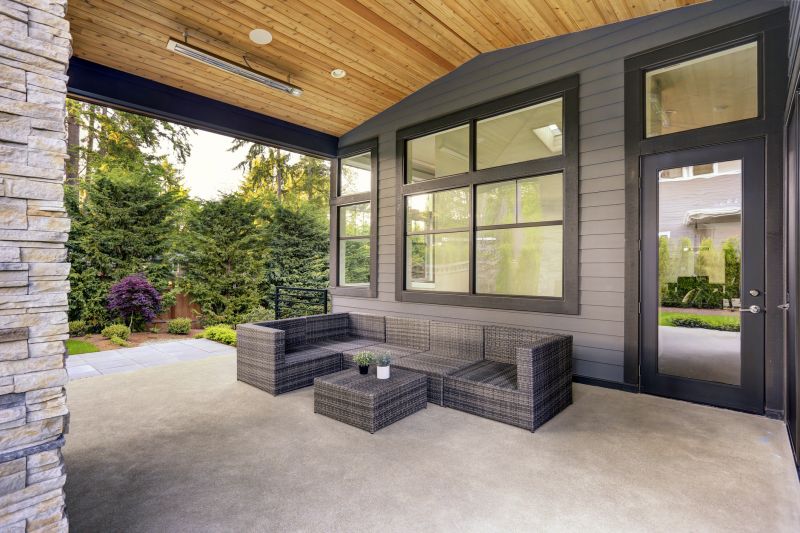
Finishes and colors that play nicely with Concrete Levelings.
| Season | Ideal Conditions |
|---|---|
| Spring | Moderate temperatures with higher humidity |
| Summer | Warm but not excessively hot temperatures |
| Fall | Cooling temperatures with less humidity |
| Winter | Cold and freezing temperatures to avoid |
Concrete levelings involve raising and leveling uneven or sunken concrete surfaces to restore a smooth, functional surface. This process is often used for driveways, sidewalks, and patios. Proper timing ensures the material cures correctly, providing long-lasting results. Weather conditions such as temperature, humidity, and precipitation significantly influence the success of the leveling process.
Statistics indicate that concrete work performed during optimal weather conditions has a lower likelihood of future cracking or shifting. Scheduling during the right season can reduce the need for repairs and maintenance over time. It is recommended to avoid extreme weather periods to prevent issues like rapid drying or frost damage.
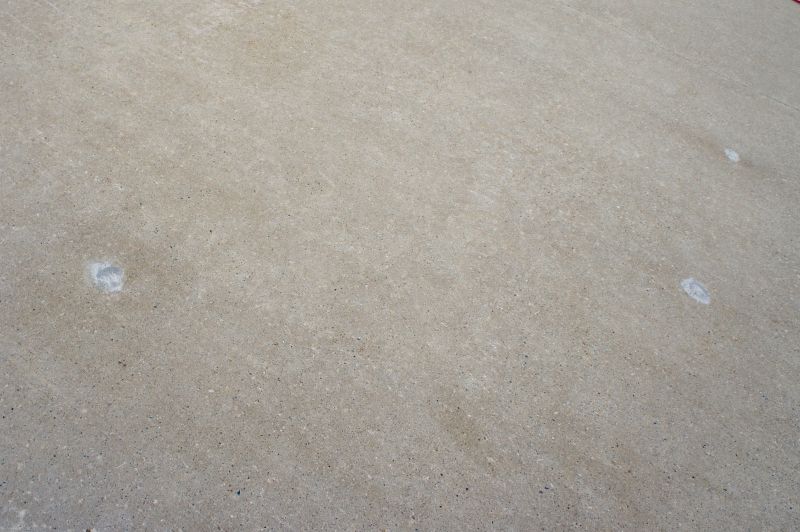
Ideal conditions for effective and durable results.
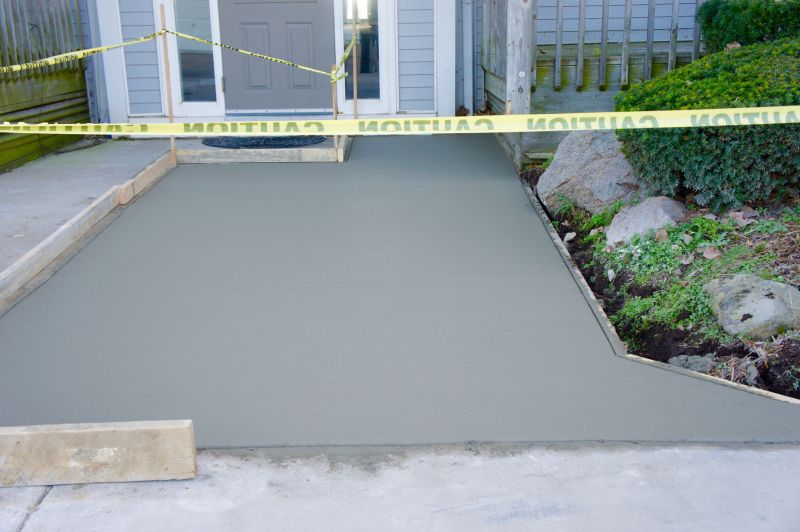
Best performed during moderate summer temperatures.
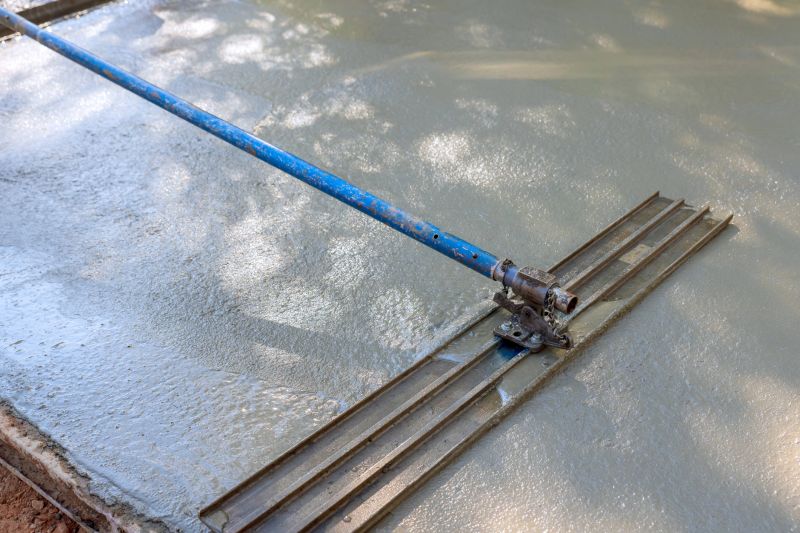
Supports gradual curing and long-term stability.
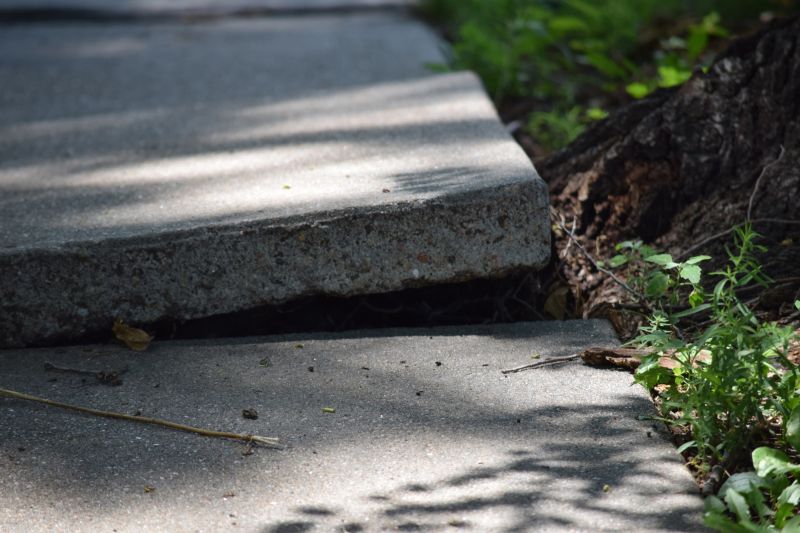
Cold weather can compromise the process.
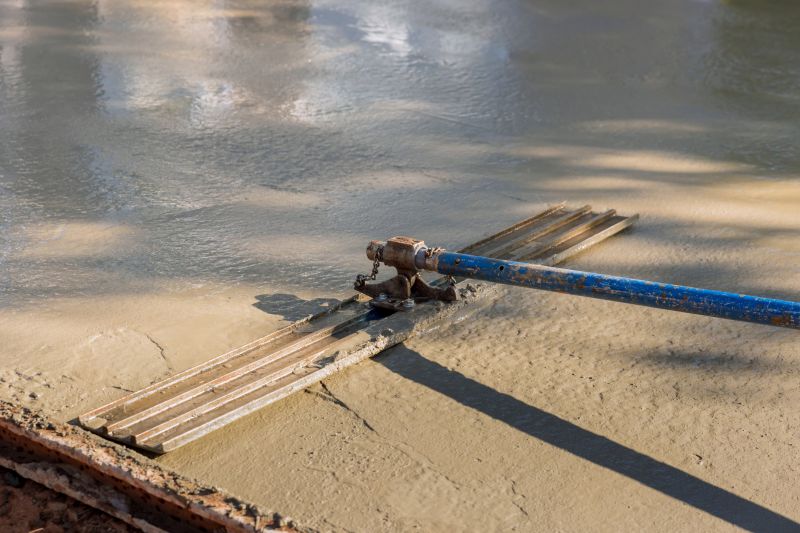
Small tweaks to make Concrete Levelings safer and easier to use.
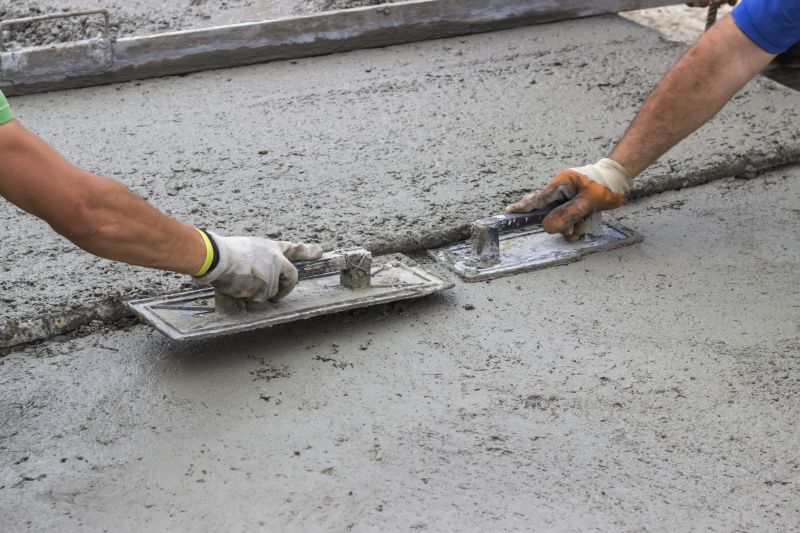
Lower-waste or water-saving choices for Concrete Levelings.
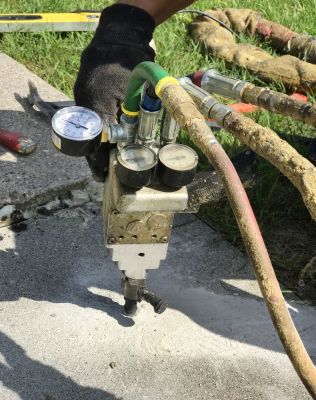
The short, realistic tool list for quality Concrete Levelings.
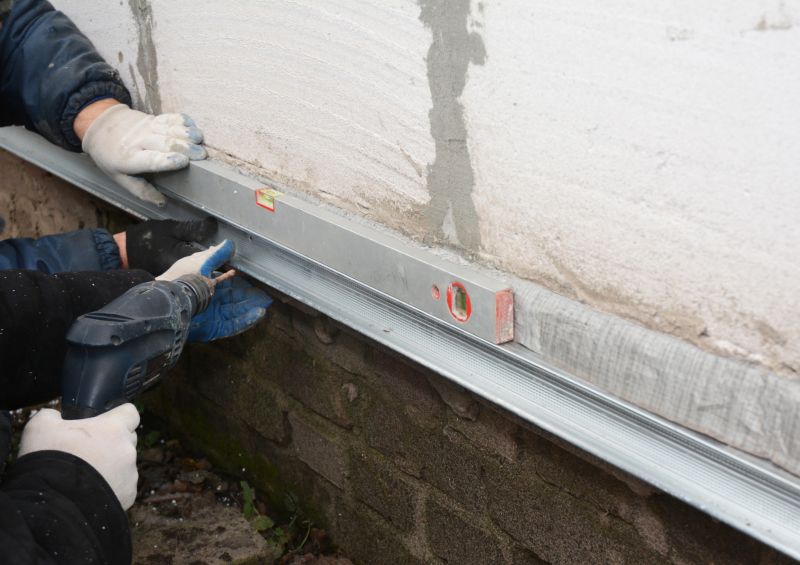
Rough timing from prep to clean-up for Concrete Levelings.
Interested in concrete levelings for property improvements? Filling out the contact form can provide more information about scheduling and best practices tailored to specific needs in Sterling Heights, MI.