
Ultimate Selection Of Concrete Leveling Products For Professional Results
Find the most effective tools and materials to achieve smooth, level concrete surfaces for any project size.
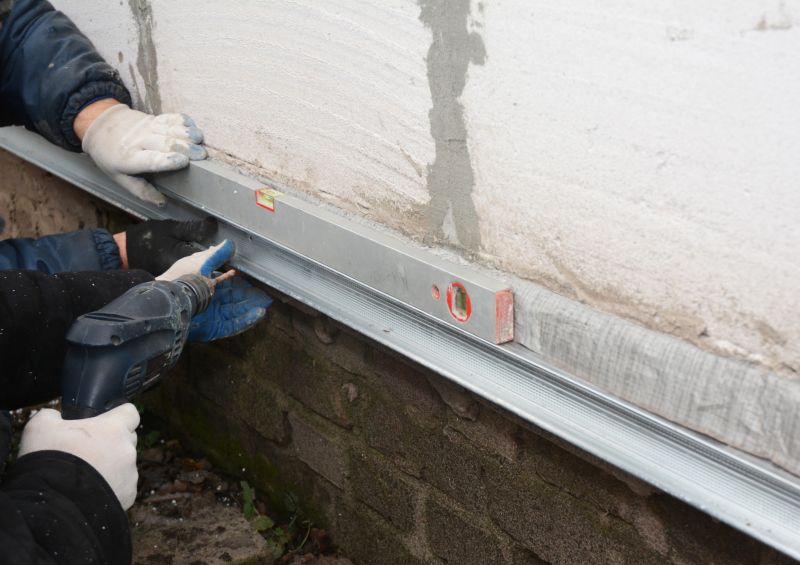 Concrete leveling is an essential process for maintaining the safety, appearance, and functionality of various surfaces around residential and commercial properties. Over time, concrete slabs can settle, crack, or become uneven due to soil movement, moisture changes, or other environmental factors. Properly addressing these issues helps prevent further damage, reduces tripping hazards, and preserves the structural integrity of walkways, driveways, patios, and floors. The market offers a diverse array of products designed to facilitate effective concrete leveling, ranging from DIY kits to professional-grade solutions.
Top Overall Option
Polyurethane Foam Injection System
Polyurethane foam injection systems are versatile and widely used for concrete leveling. They offer quick curing times, minimal disruption, and effective lifting for various slab sizes. These systems typically include specialized foam, injection equipment, and detailed instructions, making them suitable for both DIY projects and professional applications. When properly applied, they can provide reliable stabilization and leveling of uneven concrete surfaces.
Types of Products For Concrete Levelings
Polyurethane Foam Kits
Pre-mixed foam kits designed for small to medium-sized repairs, offering ease of use and quick results.
Mudjacking Cement Slurry
Traditional slurry-based materials used to lift and stabilize slabs, suitable for larger areas.
Polyurethane Foam Injection Equipment
Professional-grade tools for injecting foam beneath slabs, often used by contractors.
Hydraulic Lift Jack Systems
Mechanical jacks that lift slabs manually before filling or repairing.
Self-Leveling Underlayment
Materials used to create a smooth, level surface before finishing or resurfacing.
Concrete Repair Epoxy
Resins used to fill cracks and reinforce damaged concrete surfaces.
Cementitious Grout
Flowable grout products for filling voids and providing support beneath slabs.
Polymer-Modified Mortar
Enhanced mortar mixes used for patching and leveling uneven areas.
Concrete Surface Patches
Pre-mixed patches for small repairs and surface leveling.
Injection Ports and Nozzles
Specialized accessories for precise application of leveling materials.
Self-Compacting Concrete
Flowable concrete mixes that settle into place without vibration, ideal for repairs.
Flexible Sealants for Joints
Materials to seal and protect joints after leveling.
Vibration Tools
Tools to ensure proper settling and compaction of leveling materials.
Surface Preparation Tools
Equipment such as grinders and scarifiers to prepare surfaces before leveling.
Popular Choices
Widely used for small to medium repairs, appreciated for quick application and minimal mess.
A traditional option favored for its affordability and proven results on larger slabs.
Complete kits for professionals and DIYers seeking precise application tools.
Reliable mechanical solutions for raising slabs before filling.
Commonly used for preparing surfaces for finishing, ensuring smoothness.
Popular for sealing cracks and reinforcing damaged areas.
Trusted for filling voids and providing support under slabs.
Preferred for patching and leveling uneven surfaces.
Convenient for small repairs and surface smoothing.
Essential accessories for controlled and accurate application.
Popular for its ease of placement and ability to fill complex shapes.
Effective for sealing joints after leveling to prevent debris intrusion.
Commonly used to prepare and ensure proper settling of materials.
Choosing the right product depends on the specific needs of the project, including the size and type of the concrete surface, the extent of unevenness, and the desired longevity of the repair. Many products are engineered to be user-friendly, enabling homeowners to perform minor adjustments without extensive training or equipment. For larger or more complex issues, specialized products or professional services may be recommended. It is important to consider the compatibility of the product with the existing concrete, as well as the ease of application and cleanup.
In addition to traditional mudjacking or slabjacking materials, modern polyurethane foam solutions have gained popularity due to their quick curing times and minimal invasive procedures. These products can be injected beneath the slab to lift and stabilize it effectively. When selecting a concrete leveling product, it is also wise to review the manufacturer's instructions, safety guidelines, and customer feedback to ensure the chosen solution aligns with your project scope and safety standards. Proper preparation and application will help achieve durable and stable results, extending the lifespan of your concrete surfaces.
Key Buying Considerations
- Type of concrete surface and extent of unevenness to determine suitable product.
- Project size and whether a DIY or professional solution is preferred.
- Compatibility of the product with existing concrete materials.
- Ease of application and required tools or equipment.
- Curing time and how it fits into your project timeline.
- Durability and long-term stability of the repair material.
- Cost-effectiveness relative to project scope and budget.
- Safety instructions and handling requirements for the products.
- Availability of technical support or instructions from the manufacturer.
- Environmental conditions such as moisture levels that may affect curing.
- Potential impact on nearby structures or landscaping.
- Surface preparation requirements before application.
- Post-application finishing options for aesthetic purposes.
- Compatibility with subsequent surface treatments or coatings.
- Warranty or guarantee offerings, if any.